
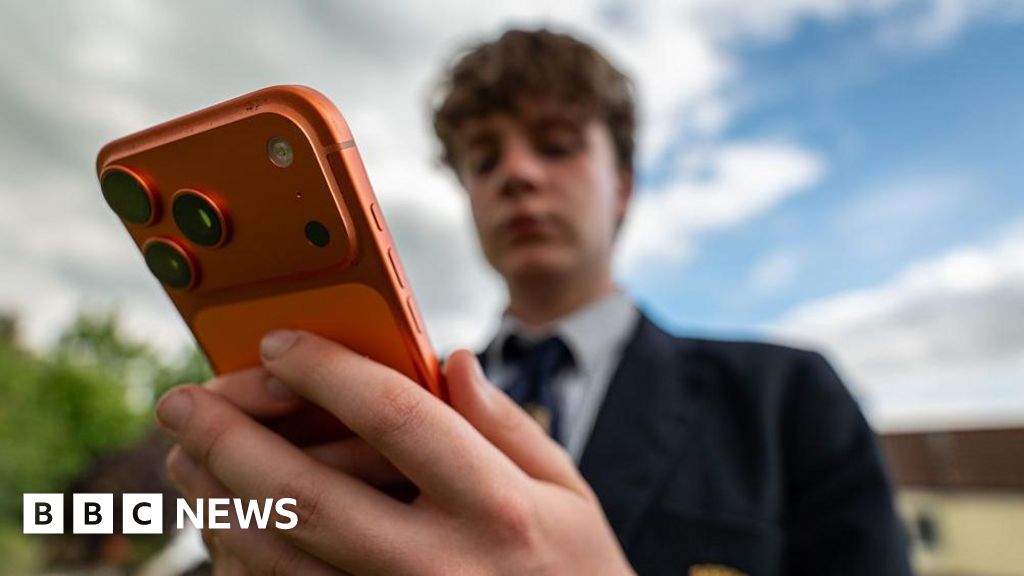
The UK government will introduce new social media restrictions for people under 16 by the end of the year, Technology Secretary Liz Kendall confirmed as a public consultation on the issue concluded. The move follows months of debate and growing pressure from campaigners and health experts over the impact of online platforms on children’s well-being.
A government consultation, which received 70,000 submissions from charities, parents, and the public, closed on Tuesday. According to a report from feeds.bbci.co.uk, potential measures range from an outright ban on social media use for under-16s to less severe interventions. These include night-time curfews on apps, disabling features like auto-play and infinite scroll, and strengthening age verification processes. Kendall stated a formal response to the consultation will be published in the summer, with legislative action taken before 2027. “The question isn’t whether we’re going to act – we will,” Kendall told the BBC.
Campaigners Demand Swift Action
The government’s pledge comes amid intense lobbying from bereaved families and safety advocates. On Tuesday, a group of families, including Ellen Roome whose 14-year-old son Jools died in 2022, met with Prime Minister Sir Keir Starmer to urge immediate action. Roome argued that social media platforms should be treated like any other product that has been found to be harmful.
“Social media is a product, and like any other faulty product causing the deaths of children, it should be restricted until the companies responsible have fixed it and proven it is safe,” she said.
The sentiment was echoed by Lord Nash, a former Conservative education minister. “The government gave a commitment to Parliament that they would introduce some form of age or functionality restriction on social media for children under 16,” he stated. “Deliver on that commitment fully and in the shortest possible timeframe.”
Debate Over an Outright Ban
While some groups, including police leaders, support a ban, other child safety campaigners are sceptical. Concerns have been raised about the effectiveness of such laws, pointing to reports from Australia where children have found ways to circumvent similar restrictions.
Ian Russell, chair of the online safety charity the Molly Rose Foundation, has previously advocated for enforcing existing laws rather than implementing what he called “sledgehammer techniques like bans.” An open letter from several child safety charities proposed an alternative, suggesting tech firms should be required to align with the British Board of Film Classification’s age-rating standards. This would mirror the system used for films, where content is assessed for suitability based on age. The wide variety of content available online, from educational materials like the best books to read for 2024 UTME to more obscure texts, presents a significant classification challenge.
Health Professionals Raise Alarm
The medical community has also weighed in on the debate. The Academy of Medical Royal Colleges, representing the UK’s most senior doctors, submitted evidence to the consultation arguing that the threat social media poses to young people’s health is comparable to that of smoking. They recommended that doctors should routinely ask younger patients about their screen time and social media habits during consultations. While there is no broad scientific consensus that all screen time is harmful, the focus is on the specific designs and content of social media platforms. Promoting healthy development requires a balance between online activities and offline pursuits, such as studying from the best biology textbooks for SSCE exams.
The Role of Tech Companies and Regulators
The response from technology companies to the proposed measures remains largely unclear. Meta, the parent company of Facebook, Instagram, and WhatsApp, has indicated its preference for age verification to be handled at the device level, which would prevent underage children from downloading certain apps from app stores. The UK’s communications regulator, Ofcom, is responsible for enforcing the Online Safety Act and will play a key part in implementing any new rules.
Technology Secretary Liz Kendall has signaled her determination to proceed regardless of opposition from the tech industry. “No one’s going to stop me from doing what I think is right for this country,” she said. The consultation also explored children’s access to AI chatbots and the vast array of information they can access, which can include everything from academic resources to fringe material like the Sixth and Seventh Books of Moses.
The government is also looking at lessons from Australia’s social media ban, with Kendall noting that the UK’s approach may extend to platforms not covered by Australian law, such as the gaming platform Roblox and the messaging service Discord. The Department for Science, Innovation and Technology will now analyse the consultation feedback before presenting its formal proposals this summer.
The final shape of the regulations will depend on the government’s response to the diverse and often conflicting views submitted during the consultation. The key decision will be whether to pursue an outright ban for under-16s or to implement a more flexible system of restrictions on specific features and functionalities. The outcome will set a significant precedent for how children’s interaction with the digital world is managed in the UK.